
Understanding the psychological triggers that drive gambling behavior
The Thrill of Uncertainty
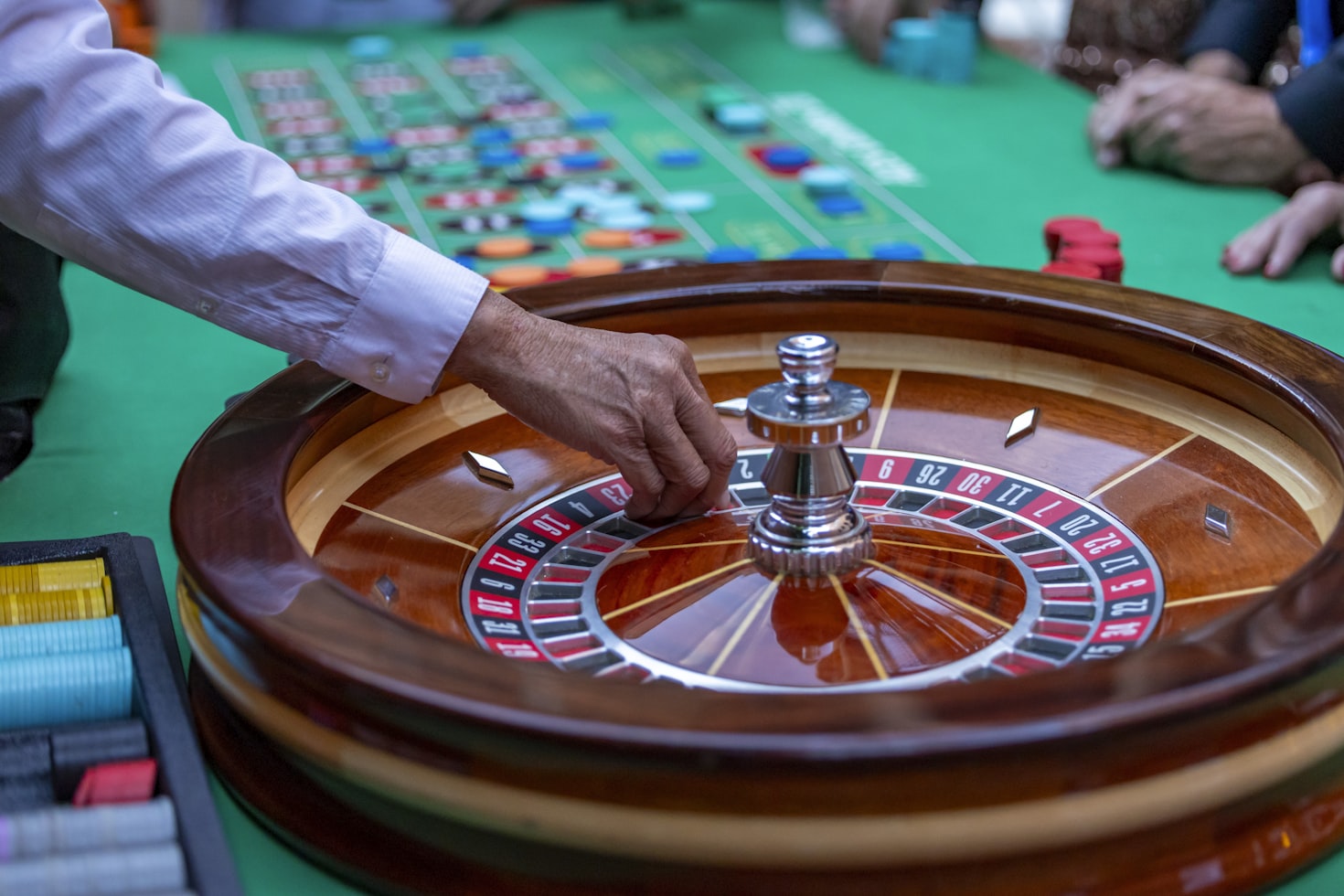
The allure of gambling often lies in the unpredictability it offers. The thrill of not knowing the outcome can lead to a powerful emotional response, driving individuals to engage more deeply in gaming activities. This excitement stems from the brain’s reward system, which releases dopamine, a neurotransmitter associated with pleasure. Every spin of the roulette wheel or flip of a card holds the potential for a rewarding outcome, making the experience engaging and addictive. Many players seek out platforms like BetWarts casino to experience this excitement firsthand.
This uncertainty can create a psychological phenomenon known as “loss chasing,” where players continue to gamble in hopes of recovering lost funds. Instead of recognizing the futility of such behavior, the uncertainty can drive gamblers to increase their stakes, believing that the next game may bring a turnaround. This cycle reinforces the idea that luck can change at any moment, trapping individuals in a potentially harmful pattern.
Moreover, the excitement derived from uncertainty is often amplified in social settings, such as casinos. The ambiance—flashing lights, sounds of chips clinking, and cheering crowds—creates a high-energy environment that heightens emotional arousal. This collective excitement can lead to more significant gambling behavior, as individuals may feel pressure to match their peers or fear missing out on a big win.
Illusion of Control
Many gamblers experience an illusion of control, believing that they can influence the outcome of games through skill or strategy. This mindset can be particularly prevalent in games that involve some level of skill, like poker or blackjack. The belief that they possess superior knowledge or strategy can lead players to gamble more frequently, as they feel empowered to navigate the uncertainties of the game.
This illusion often extends to those who partake in slot machines, where players may feel that their timing or betting choices can impact the result. Although these games operate on random number generators, the psychological impact of feeling in control can encourage continued play. As players perceive they are making informed decisions, they may not recognize the inherent randomness, further entrenching their gambling behaviors.
Furthermore, the concept of superstitions plays a significant role in enhancing this illusion. Many gamblers develop personal rituals or beliefs, such as wearing lucky clothes or choosing specific machines. These rituals can reinforce the belief that they have some degree of control over their outcomes. The connection between these superstitions and the sense of control amplifies engagement, creating a potent mix of psychology that drives ongoing gambling behavior.
Reward Systems and Reinforcement
The brain’s reward system plays a pivotal role in gambling behavior, as it reinforces actions that lead to pleasurable outcomes. When players win, even small amounts, their brains release dopamine, which not only creates feelings of enjoyment but also encourages them to repeat the behavior. This neurological response can lead to habitual gambling as the brain seeks to replicate the euphoric feeling associated with winning.
In addition to immediate rewards, the structure of gambling games often capitalizes on variable rewards. This means players are not rewarded consistently, but instead receive wins sporadically. Such a system can create a cycle of gambling behavior as individuals chase the next reward, akin to the mechanics seen in slot machines. The excitement of not knowing when the next win might come fosters a continuous urge to engage.
Moreover, the reinforcement of winning streaks can create an overestimation of one’s chances of success. Players might focus on their victories while ignoring the numerous times they lost. This cognitive bias, known as the “gambler’s fallacy,” can lead individuals to believe they are due for a win after a series of losses, compelling them to gamble more in hopes of achieving that anticipated victory. This misleading perception of luck can be detrimental to one’s financial health and overall well-being.
Social Influences and Peer Pressure
Social influences are significant triggers for gambling behavior, with peer pressure often playing a central role. When individuals are surrounded by friends or family members who gamble, they may feel compelled to join in. This can be especially true in social settings such as casinos, where the atmosphere is designed to be enticing and communal. Engaging in gambling as a group can amplify the excitement and reduce feelings of guilt associated with betting.
Additionally, the portrayal of gambling in popular culture can contribute to its normalization. Movies and TV shows often depict glamorous lifestyles associated with gambling, glamorizing the lifestyle that comes with big wins. This representation can foster a desire to replicate such experiences, encouraging individuals to partake in gambling without fully understanding the potential risks involved.
Furthermore, competitive behaviors can arise in social settings, leading to increased gambling. Individuals may want to prove themselves to their peers or feel a sense of belonging within a group. This desire to compete can push them to take risks they might avoid otherwise. The need for social validation can result in behaviors that prioritize gambling over more sensible financial decisions, further entrenching them in gambling culture.
Exploring Betwarts: A Modern Gaming Experience
Betwarts represents a modern approach to online gambling, catering specifically to players seeking a comprehensive gaming experience. This platform offers a diverse range of games, from slots to live casino options, ensuring that there is something for everyone. By providing a user-friendly interface and swift payouts, Betwarts enhances the gambling experience while maintaining a focus on customer satisfaction.
Moreover, Betwarts prioritizes the importance of responsible gaming. With features that promote awareness of gambling behavior and allow users to set limits, the platform recognizes the psychological triggers that can lead to excessive gambling. New players can take advantage of attractive bonuses, further enriching their experience while ensuring that gaming remains enjoyable rather than detrimental.
Ultimately, Betwarts combines innovation with a dedication to responsible gaming, fostering an environment where users can explore their interests in gambling. With continuous engagement and exciting promotions, Betwarts aims to provide an enriching experience while remaining aware of the psychological factors that influence gambling behavior. As the landscape of online gaming evolves, platforms like Betwarts are essential in shaping the future of gambling responsibly.